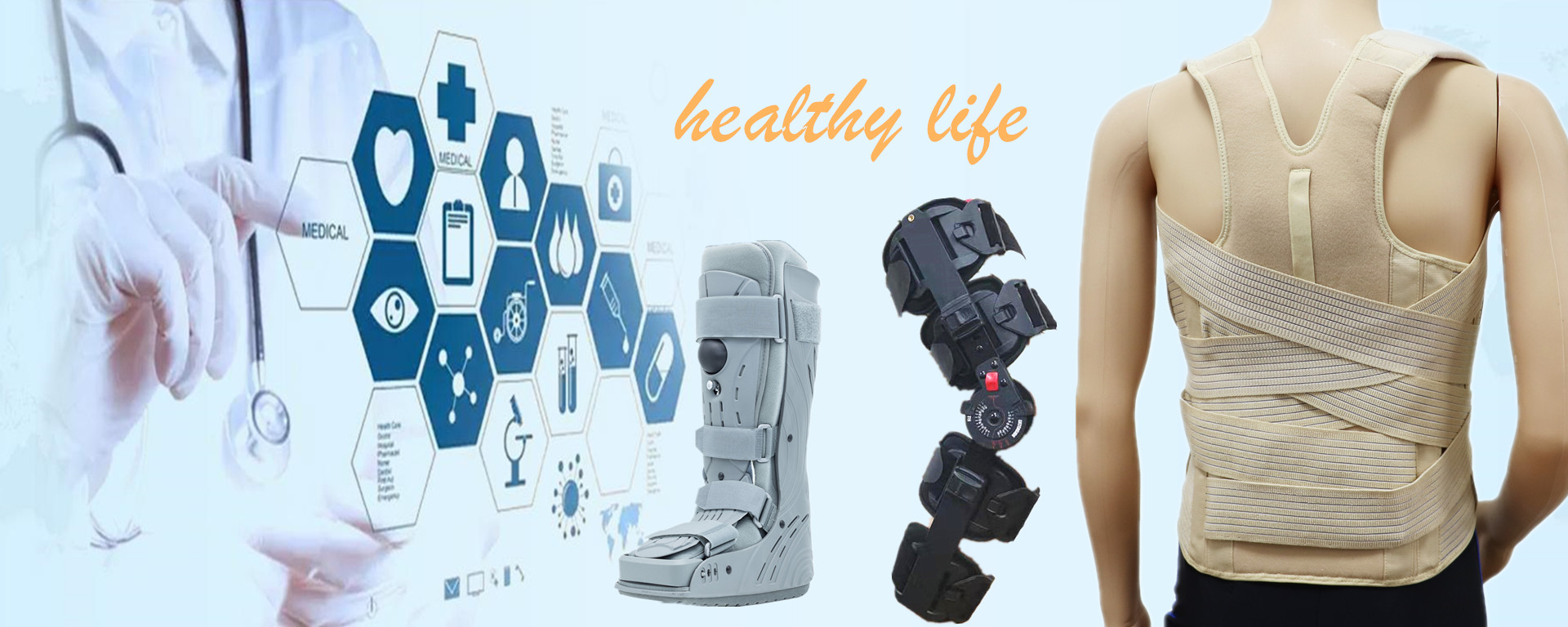
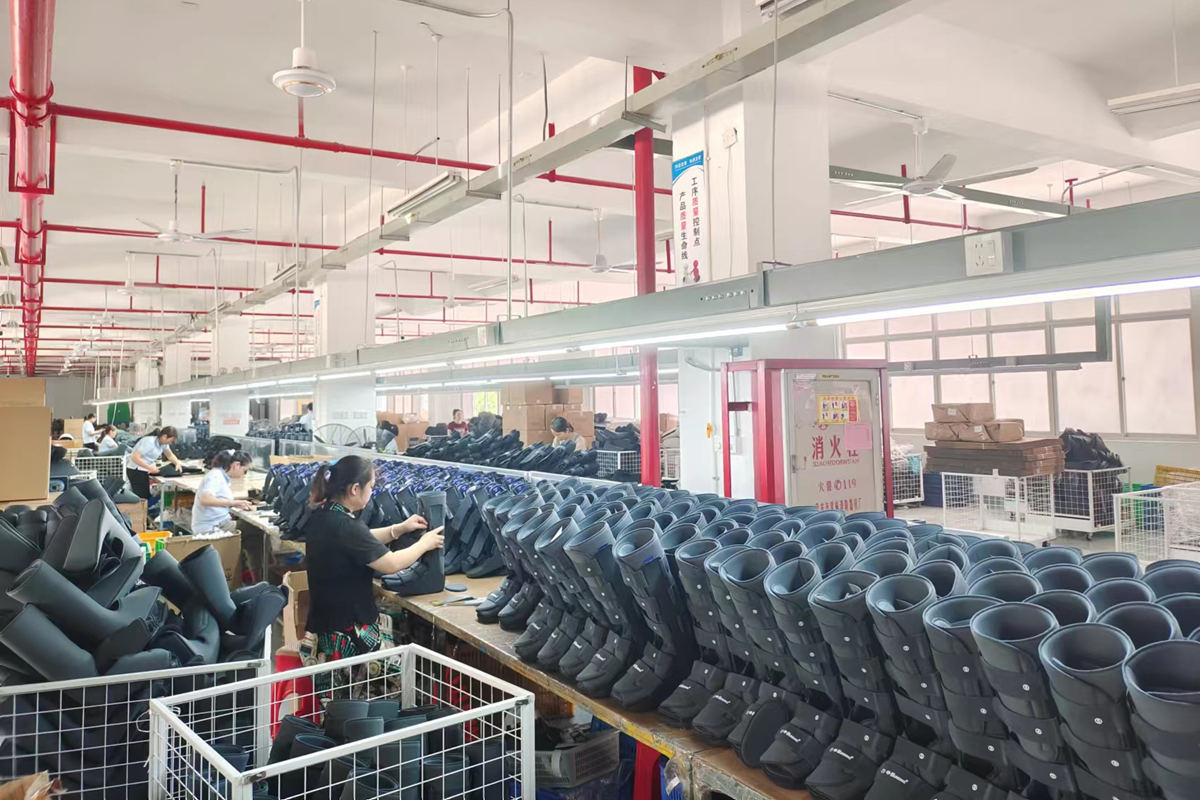
Pneumatic vs. Non-Pneumatic Walking Boots: Which Is Best for Ankle Fractures? Ankle fractures and related lower-limb injuries often require external support that balances immobilization, protection, fit, and mobility. Walking boots are available in pneumatic and non-pneumatic designs, and each configuration presents different clinical and procurement considerations. For hospital buyers, outpatient clinics, orthopedic distributors, and rehabilitation product suppliers, comparing an air walker with a standard walker should include clinical fit, swelling management, component reliability, cleaning, unit cost, and total procurement value. What Is a Pneumatic Walking Boot? A pneumatic walking boot, commonly called an air walker, combines a rigid outer shell with an inflatable air-cell or bladder system positioned around the lower leg and ankle. The air system allows trained users or healthcare professionals to modify internal compression and contact, subject to the product instructions. This may help accommodate changes in limb volume and refine fit during clinician-directed recovery. Its suitability depends on fracture stability, soft-tissue condition, permitted weight bearing, skin status, sensation, user capability, and the treating healthcare professional's assessment. Key Differences Between Air Walkers and Standard Walkers Inflatable Air-Cell System The defining feature of an air walker is its adjustable pneumatic system. Buyers should evaluate inflation access, valve durability, pressure retention, bladder placement, ease of adjustment, and the availability of replacement components. Non-Pneumatic Support Structure A non-pneumatic walker relies on its shell, liner, straps, and padding to create support without an inflatable bladder. The simpler component structure can reduce inflation-related failure points and may simplify training and inventory management. Rigid Shell and Rocker Sole Both designs commonly use a protective shell and a rocker-style sole. Buyers should assess shell coverage, sole geometry, tread, stability, weight, and whether the design is appropriate for the intended clinical protocol. Liner, Padding, and Fastening Straps Removable liners, padded contact areas, and adjustable straps influence comfort, hygiene, and fit in both categories. Liner material, strap reach, fastening strength, cleaning guidance, and replacement availability should be reviewed during sample approval. Which Walking Boot Is Best for Ankle Fractures? A pneumatic walker may be considered when adjustable internal contact and accommodation of changing limb volume are important. However, the inflation system adds components that require correct operation, inspection, and quality control. A non-pneumatic walker may suit procurement programs that prioritize straightforward fitting, fewer mechanical components, easier staff training, and lower acquisition cost. It does not, however, provide the same type of adjustable air-cell interface. What Should Hospital Buy...


 Xiamen Huakang Orthopedic Co.,Ltd